Building a Strong Rider-Horse Bond
A strong bond between rider and horse is the foundation for enjoyable and successful riding experiences. Building this connection requires time, patience, and consistent efforts focused on trust and communication.
Explore ↗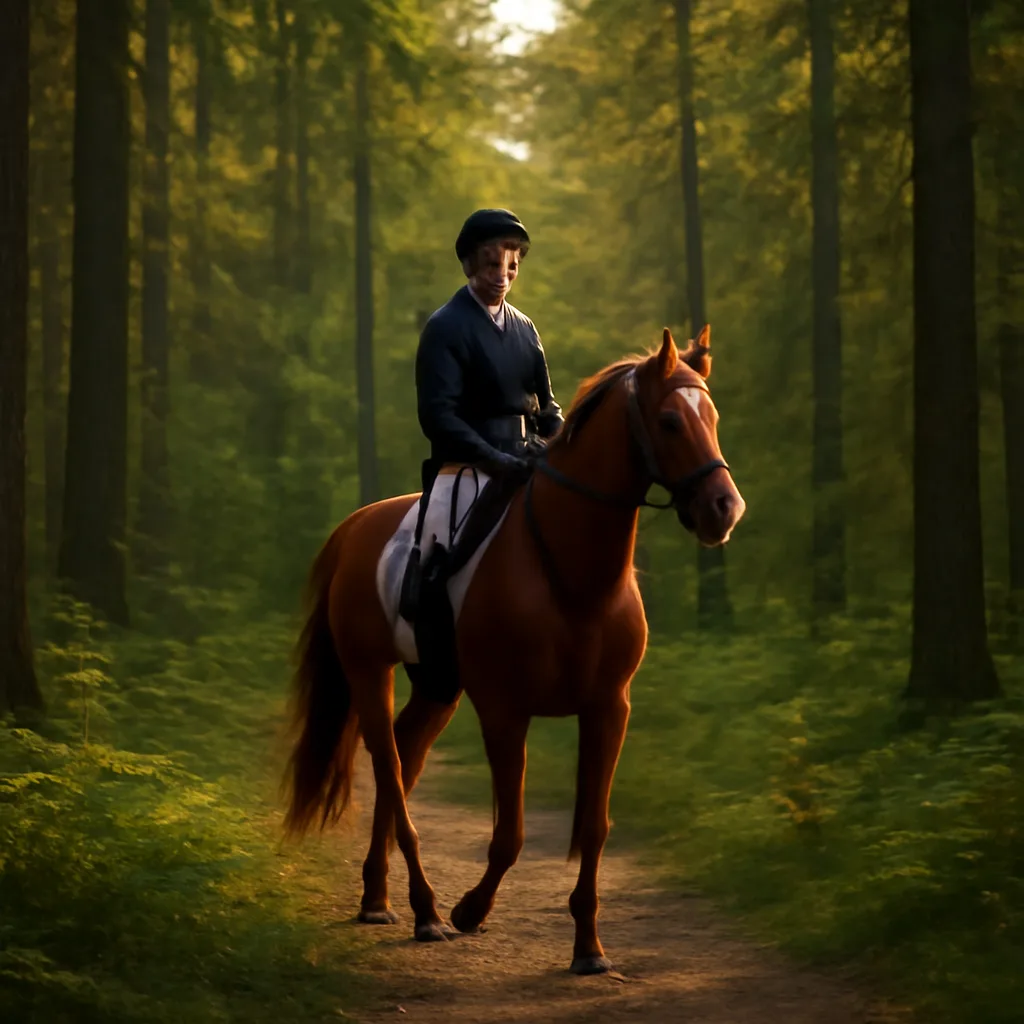
Understanding Horse Behavior and Communication
Horses are highly perceptive animals that communicate primarily through body language and subtle cues. Riders who learn to interpret these signals accurately can respond in ways that foster trust. Observing your horse's ears, eyes, and movements helps anticipate their feelings and reactions.
Effective communication begins with patience and attentiveness. A calm demeanor from the rider encourages the horse to relax and engage cooperatively. Taking time to learn equine psychology improves interactions during both groundwork and riding sessions.
- Observe ear position and eye expression
- Watch tail movement and overall body posture
- Use consistent, gentle voice commands
- Maintain calm, confident body language
Consistent Groundwork for Mutual Respect
Groundwork establishes respect and understanding before mounting. Engaging in exercises such as leading, lunging, and desensitization builds confidence in both horse and rider. These activities reinforce boundaries and expectations in a low-pressure environment.
Regularly practicing groundwork strengthens the horse's responsiveness and trust in the handler. It also reveals any discomfort or behavioral issues that can be addressed early, creating a safer partnership.
- Practice leading with soft pressure and release
- Introduce new objects and environments gradually
- Use positive reinforcement techniques
- Keep sessions brief and focused
Positive Reinforcement and Reward-Based Training
Using positive reinforcement encourages desired behaviors while promoting a willing partnership. Rewards such as treats, scratches, or verbal praise motivate horses without inducing fear or resistance.
Avoid punishment-based methods that can harm the relationship and increase anxiety. Instead, reward small steps of progress and remain consistent in cues and expectations to enhance learning and trust.
- Offer rewards immediately after desired behavior
- Use a clicker or marker word to signal success
- Be patient with training pace
- Avoid harsh corrections that may cause fear
Quality Time and Routine Interaction
Spending time with your horse outside of riding strengthens emotional connections. Activities like grooming, hand-walking, or simply standing quietly together build familiarity and comfort.
Establishing a routine helps your horse know what to expect, reducing stress and increasing willingness. Consistency paired with affection builds a deeper bond over time.
- Groom thoroughly to relax and connect
- Engage in calm conversations and gentle touching
- Incorporate regular, low-stress activities
- Respect your horse’s mood and adjust interactions accordingly
Clear and Gentle Riding Signals
Once mounted, maintaining clear, gentle cues is essential for effective communication. Subtle shifts in body position, rein pressure, and leg contacts convey instructions to your horse.
Ensuring your aids are precise and consistent prevents confusion and builds confidence. Avoid sudden or harsh signals that can cause anxiety or resistance, focusing instead on earning your horse's cooperation.
- Use steady rein contact with light pressure
- Apply leg aids calmly and purposefully
- Balance your seat and maintain an upright posture
- Respond to your horse’s feedback and adjust accordingly
Discover more
Daily Grooming Tips for a Healthy Horse
Discover essential daily grooming routines that enhance your horse's health, comfort, and overall well-being.
Introduction to Dressage: Basics and Benefits
Explore the fundamentals of dressage and discover how this equestrian discipline enhances horse training and rider skills.
Understanding Equine Nutrition
Explore essential nutritional needs of horses and how to create balanced feeding plans for their health and performance.
Selecting the Right Saddle for Your Horse
A practical guide to choosing saddles that ensure comfort and safety for both horse and rider.
Training Young Horses: Best Practices
Explore effective strategies and essential tips for training young horses safely and confidently from the ground up.
Top Safety Gear Every Rider Needs
Essential safety equipment to protect equestrians during all riding activities, ensuring confidence and injury prevention.