Training Guides
Mastering horse training requires patience, knowledge, and appropriate techniques tailored to your riding goals. Our training guides cover essential methods to help riders of all levels develop skills and build strong communication with their horses.
Explore ↗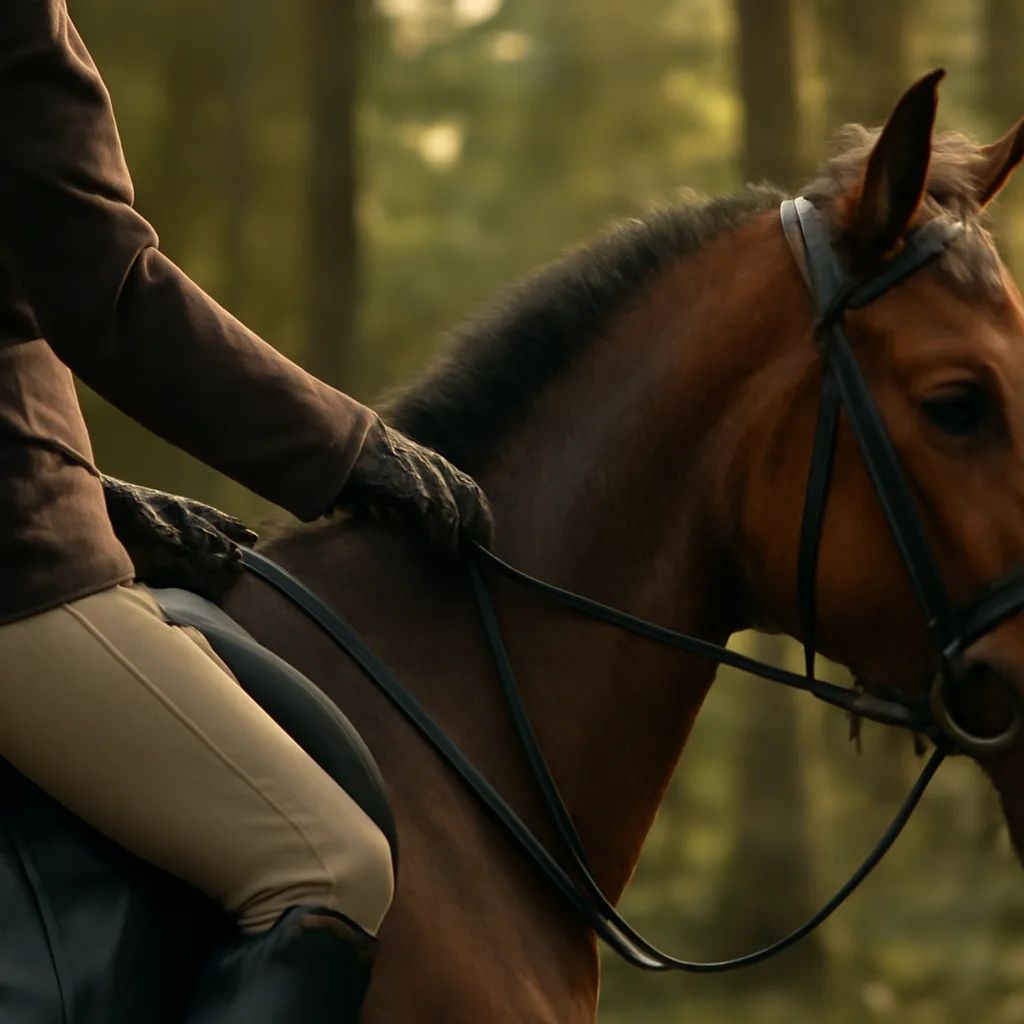
Foundations of Effective Training
Successful horse training begins with establishing trust and clear communication between horse and rider. Regardless of discipline, consistency, clear cues, and positive reinforcement create a solid base for learning.
Key elements include recognizing equine body language, applying gentle corrections promptly, and rewarding desired behaviors. Establishing a routine with manageable goals supports steady progress and reduces frustration for both horse and rider.
- Use short, focused training sessions to keep the horse attentive.
- Apply consistent verbal and physical cues.
- Recognize and respect your horse's limits and responses.
Training for Beginners: Starting Simple
If you're new to horse training, focus on basic ground manners initially. Teaching your horse to lead calmly, stand quietly for grooming, and respond to voice commands lays groundwork for advanced tasks.
Introduce lunging exercises gradually to develop balance and responsiveness without the pressure of carrying a rider. Patience and repetition help cement these foundational skills.
Always prioritize safety: wear appropriate gear and avoid pushing the horse beyond comfort thresholds.
- Begin with halter and lead control.
- Practice standing tied safely.
- Use lunging to improve obedience and physical conditioning.
Discipline-Specific Techniques
Different equestrian disciplines require specialized training approaches. For example, dressage training emphasizes precision and rhythm, while trail riding focuses on desensitization and confidence in diverse environments.
Adapt your training plan to the demands of your discipline by incorporating targeted exercises. Grid work enhances jumping ability, while flexibility drills benefit riders focusing on endurance or eventing.
Regularly reassess your horse's progress and adjust training intensity to avoid burnout or injury.
- Incorporate transitions and lateral movements for dressage.
- Use obstacle exposure to prepare for trail riding.
- Apply pole work to develop coordination for jumping.
Advanced Training Concepts
Experienced riders can deepen training effectiveness by integrating biomechanics understanding and mental conditioning techniques. Observing horse movement helps identify gait irregularities and areas for improvement.
Mental stimulation through varied exercises prevents boredom and enhances responsiveness. Techniques such as clicker training and target work encourage active participation from the horse.
Maintaining balance between physical demands and recovery time supports long-term performance and welfare.
- Use video analysis to study gait and posture.
- Introduce cognitive challenges to keep training engaging.
- Schedule rest days to allow muscle recovery.
Troubleshooting Common Training Challenges
Encountering resistance or behavioral issues is common. Identifying root causes—whether pain, fear, or misunderstanding—is crucial to resolving problems effectively.
Seek to modify training methods rather than punish undesirable behaviors. Adjust workload, environment, or equipment to suit the horse's needs.
Consult equine professionals when persistent issues arise to ensure rider and horse safety.
- Observe horse response to different stimuli to detect stress signals.
- Modify cues' pressure and timing to improve clarity.
- Consider veterinary evaluation if resistance is unusual or sudden.
Discover more
Daily Grooming Tips for a Healthy Horse
Discover essential daily grooming routines that enhance your horse's health, comfort, and overall well-being.
Introduction to Dressage: Basics and Benefits
Explore the fundamentals of dressage and discover how this equestrian discipline enhances horse training and rider skills.
Understanding Equine Nutrition
Explore essential nutritional needs of horses and how to create balanced feeding plans for their health and performance.
Selecting the Right Saddle for Your Horse
A practical guide to choosing saddles that ensure comfort and safety for both horse and rider.
Training Young Horses: Best Practices
Explore effective strategies and essential tips for training young horses safely and confidently from the ground up.
Top Safety Gear Every Rider Needs
Essential safety equipment to protect equestrians during all riding activities, ensuring confidence and injury prevention.