Top Safety Gear Every Rider Needs
Riding horses is an exhilarating experience that combines skill, trust, and adventure. Equally important is rider safety. Using the right safety gear can dramatically reduce risks and enhance your riding confidence across all equestrian activities.
Explore ↗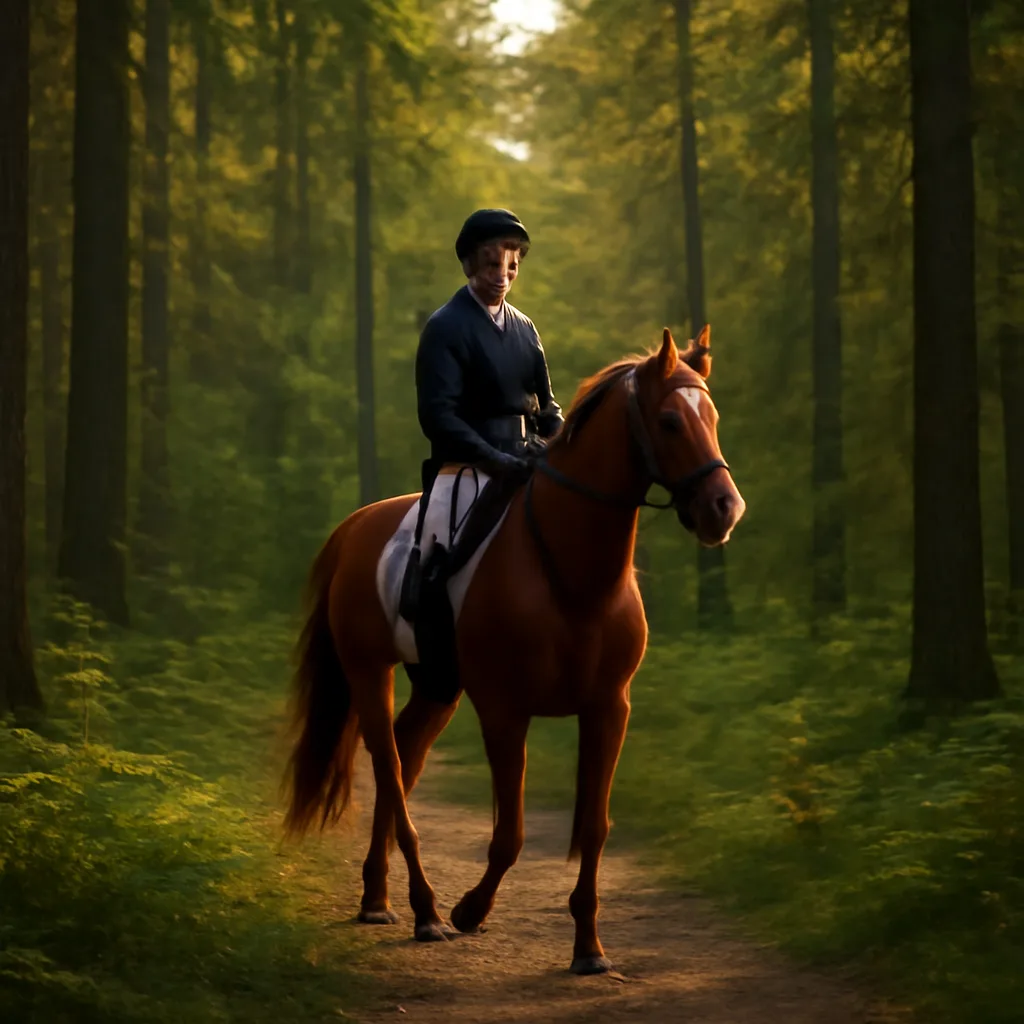
Equestrian Helmets: Your Essential Head Protection
A helmet designed specifically for equestrians is fundamental to rider safety. Unlike regular helmets, equestrian helmets are constructed to absorb impacts from falls and provide substantial protection against head injuries.
Choosing a helmet that fits correctly and meets current safety certifications is crucial. Helmets should be replaced after a significant impact or every few years, even if no visible damage is apparent.
Key features to consider include adjustable harnesses for a secure fit, proper ventilation for comfort during long rides, and lightweight materials that do not compromise protection.
- Select helmets certified by recognized equestrian safety standards.
- Ensure a snug, comfortable fit using size charts and measurement guidelines.
- Replace helmets after any significant crash or every 3-5 years.
Protective Body Vests
Body protectors safeguard vital organs and absorb shock during falls or kicks. They are particularly valuable for eventing, cross-country, or jumping disciplines where falls are more likely.
Modern vests are designed to be lightweight and flexible, allowing freedom of movement without sacrificing protection. Look for vests that conform to recognized safety standards and offer coverage for the chest, back, and ribs.
Wearing a body protector does not reduce the need for cautious riding but adds an important layer of security in risky scenarios.
- Use body vests with certified impact protection.
- Choose sizes that allow movement but fit closely to the torso.
- Consider the type of riding discipline when selecting vest thickness and coverage.
Riding Boots with Ankle Support
Proper footwear helps prevent foot injuries and provides stability in the stirrups. Riding boots with sturdy ankle support reduce the risk of sprains and protect against being caught in the stirrup in case of a fall.
Boots should have a small heel to prevent slipping through the stirrup and a smooth sole to avoid snagging. Leather boots are traditional for their durability, but synthetic options offer waterproof features and easier maintenance.
Besides safety, boots contribute to overall riding technique and comfort.
- Choose boots with a defined heel and smooth sole.
- Ensure boots provide firm ankle support.
- Opt for boots suited to your riding environment and weather conditions.
Gloves for Grip and Hand Protection
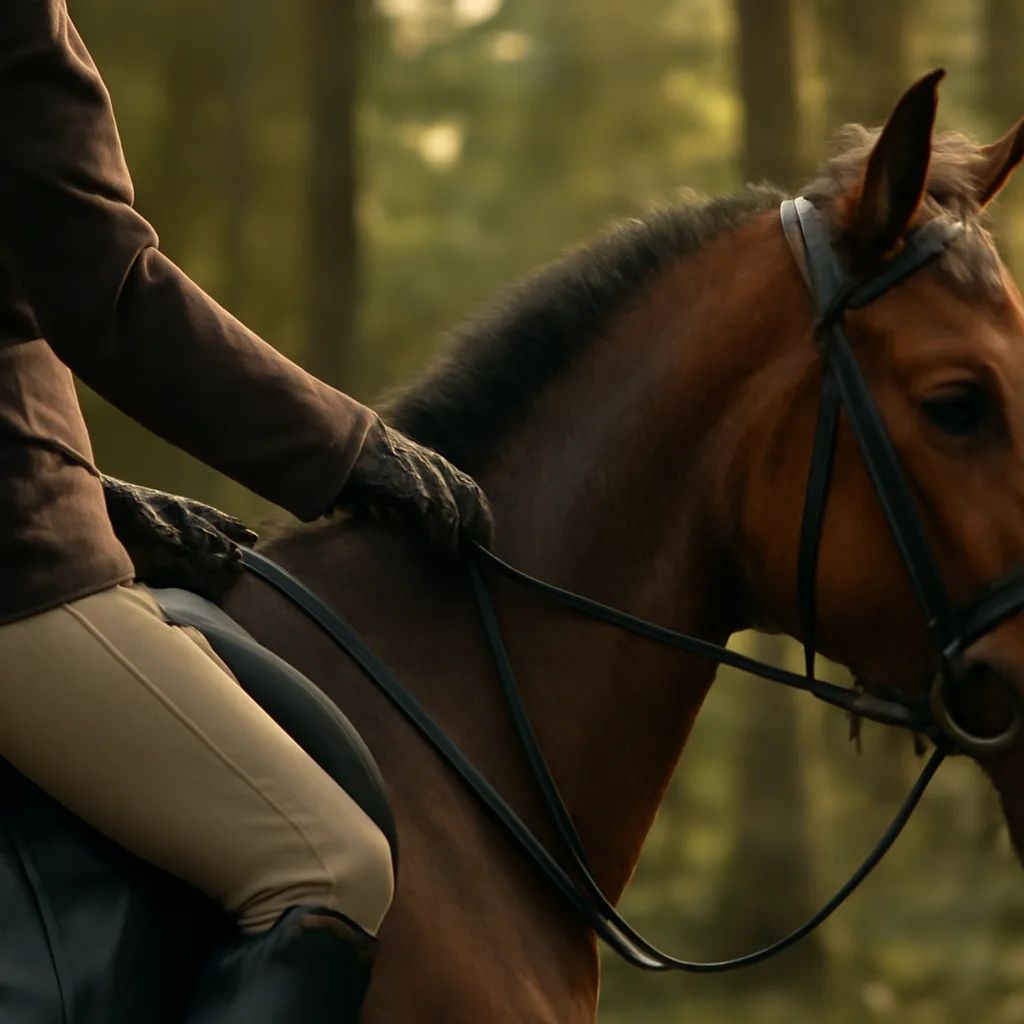
Gloves enhance grip on the reins, especially in wet or muddy conditions, reducing hand fatigue and blisters during riding sessions.
Protecting hands can prevent scrapes and improve control. Choose gloves made from breathable, flexible materials that allow tactile sensitivity while shielding from abrasion.
Regularly check glove condition and replace worn pairs to maintain effective grip and protection.
- Select gloves with good grip material on palms and fingers.
- Look for breathable fabrics to reduce sweating.
- Replace gloves when seams or grips wear out.
Eye and Face Protection
Wind, dust, insects, and sun can distract or harm riders during outdoor rides. Protective eyewear or visors can improve comfort and safety by ensuring clear vision.
Shatter-resistant sunglasses or tinted goggles protect eyes while reducing glare. For dusty trails or windy conditions, goggles with a secure fit prevent debris from entering eyes.
Consider the typical riding environment when choosing suitable eye protection.
- Use shatter-resistant lenses for impact safety.
- Choose tinted lenses for sun protection in bright conditions.
- Ensure eyewear fits snugly and comfortably to prevent fogging and debris entry.
Discover more

Daily Grooming Tips for a Healthy Horse
Discover essential daily grooming routines that enhance your horse's health, comfort, and overall well-being.
Introduction to Dressage: Basics and Benefits
Explore the fundamentals of dressage and discover how this equestrian discipline enhances horse training and rider skills.
Understanding Equine Nutrition
Explore essential nutritional needs of horses and how to create balanced feeding plans for their health and performance.
Selecting the Right Saddle for Your Horse
A practical guide to choosing saddles that ensure comfort and safety for both horse and rider.
Training Young Horses: Best Practices
Explore effective strategies and essential tips for training young horses safely and confidently from the ground up.
Common Equine Health Issues and Prevention
Learn about frequent horse health problems and practical steps to keep your equine companion healthy and thriving.