Horse Care
Proper horse care is crucial to ensure your equine companion stays healthy, comfortable, and performs at its best. From grooming routines to feeding practices and health maintenance, understanding the basics helps you provide excellent care.
Explore ↗
Daily Grooming Practices
Regular grooming not only keeps your horse clean but also allows you to inspect for injuries, skin conditions, or parasites. Use a curry comb in circular motions to loosen dirt and hair, followed by a stiff brush to remove debris. Clean the hooves daily to prevent infections and check for stones or cracks.
Maintaining a grooming routine can improve circulation and boost your horse’s mental well-being. Be gentle around sensitive areas like the face and belly to build trust and reduce stress.
- Use a curry comb to loosen dirt and hair.
- Follow with a stiff brush to remove debris.
- Pick and clean hooves daily.
- Check for cuts, swellings, or parasites.
- Brush mane and tail carefully to avoid pulling.
Balanced Feeding and Nutrition
A balanced diet tailored to your horse's age, workload, and health needs supports optimal condition and energy levels. Provide constant access to clean, fresh water and high-quality forage like hay or pasture.
Concentrates or supplements may be necessary depending on activity level, but sudden dietary changes should be avoided to prevent digestive upset. Monitor body condition regularly to adjust feed amounts accordingly.
- Feed mainly forage to support digestion.
- Provide unlimited access to fresh water.
- Introduce grains or supplements gradually if needed.
- Avoid sudden changes in diet.
- Observe your horse’s weight and condition regularly.
Regular Health Monitoring
Routine health checks help catch issues early and keep vaccinations and deworming on schedule. Observe your horse daily for signs of discomfort, lethargy, abnormal breathing, or changes in appetite and behavior.
Maintain a relationship with a qualified equine veterinarian for vaccinations, dental care, and medical concerns. Scheduling regular farrier visits every 6 to 8 weeks ensures proper hoof health and balance.
- Watch for changes in behavior or appetite.
- Keep vaccinations and deworming current.
- Schedule dental check-ups annually.
- Ensure regular farrier visits for hoof care.
- Monitor respiratory and digestive health.
Safe and Comfortable Living Environment
Provide shelter from extreme weather conditions and maintain clean bedding in stalls to prevent respiratory and skin problems. Ensure fencing is safe and sturdy to avoid injuries.
Ample turnout time in a safe pasture promotes natural movement and social interaction which is vital for mental and physical health.
- Supply shelter protecting from sun, rain, and wind.
- Use clean, dry bedding in stalls.
- Inspect and maintain safe fencing.
- Allow regular turnout and exercise.
- Maintain clean water sources in turnout areas.
Emergency Preparedness and First Aid
Having a basic first aid kit and knowledge can make a vital difference when addressing minor injuries or illnesses before professional care. Include items such as wound cleansers, bandages, antiseptics, and thermometers.
Know how to recognize emergency signs like colic, severe wounds, or laminitis, and have a plan for contacting veterinary help promptly.
- Keep a well-stocked first aid kit accessible.
- Understand how to clean and bandage minor wounds.
- Monitor your horse’s vital signs when ill or injured.
- Recognize signs needing emergency care.
- Have emergency contact information readily available.
Discover more
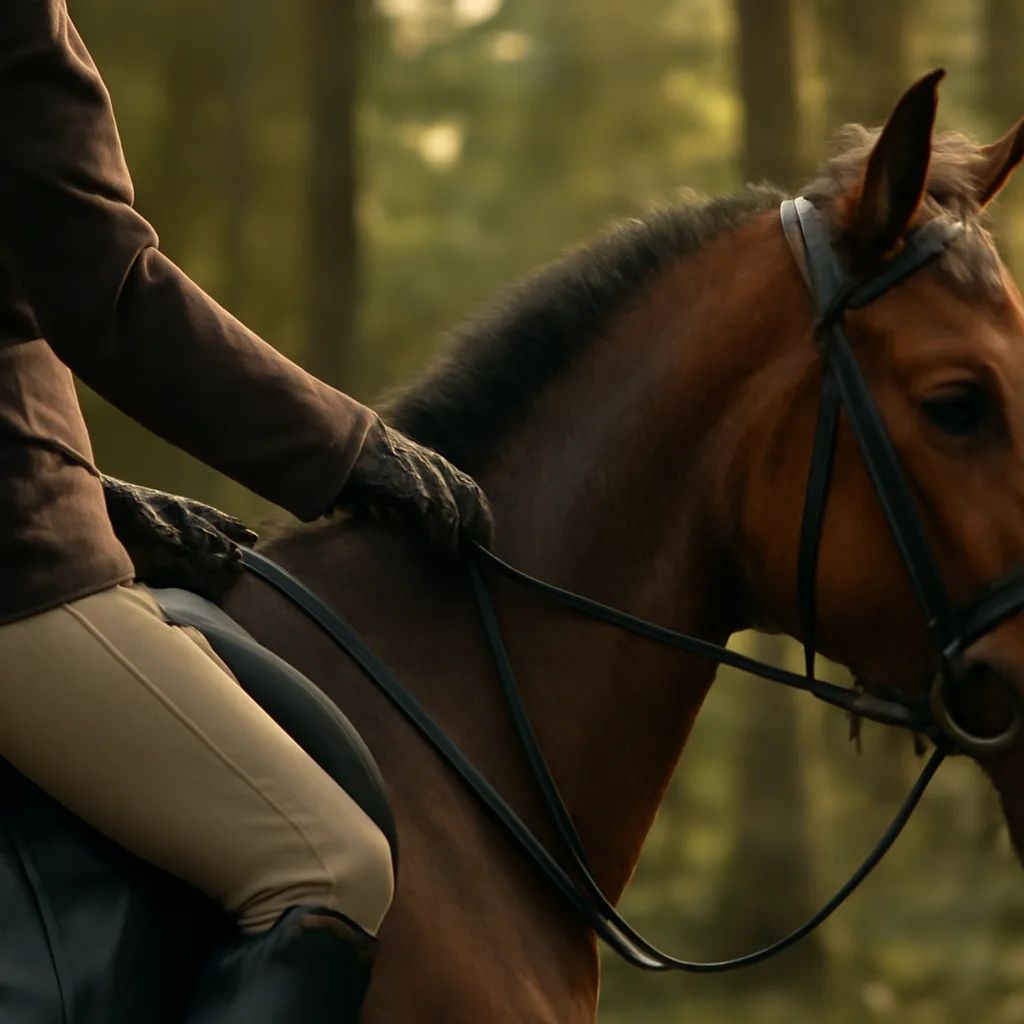
Daily Grooming Tips for a Healthy Horse
Discover essential daily grooming routines that enhance your horse's health, comfort, and overall well-being.

Introduction to Dressage: Basics and Benefits
Explore the fundamentals of dressage and discover how this equestrian discipline enhances horse training and rider skills.
Understanding Equine Nutrition
Explore essential nutritional needs of horses and how to create balanced feeding plans for their health and performance.
Selecting the Right Saddle for Your Horse
A practical guide to choosing saddles that ensure comfort and safety for both horse and rider.
Training Young Horses: Best Practices
Explore effective strategies and essential tips for training young horses safely and confidently from the ground up.
Top Safety Gear Every Rider Needs
Essential safety equipment to protect equestrians during all riding activities, ensuring confidence and injury prevention.