Trail Riding Essentials: Preparing for Your Adventure
Trail riding offers a unique way to experience nature and bond with your horse. Proper preparation ensures safety and enjoyment for both rider and horse when hitting the trails. This guide covers essential gear and tips for a successful trail ride.
Explore ↗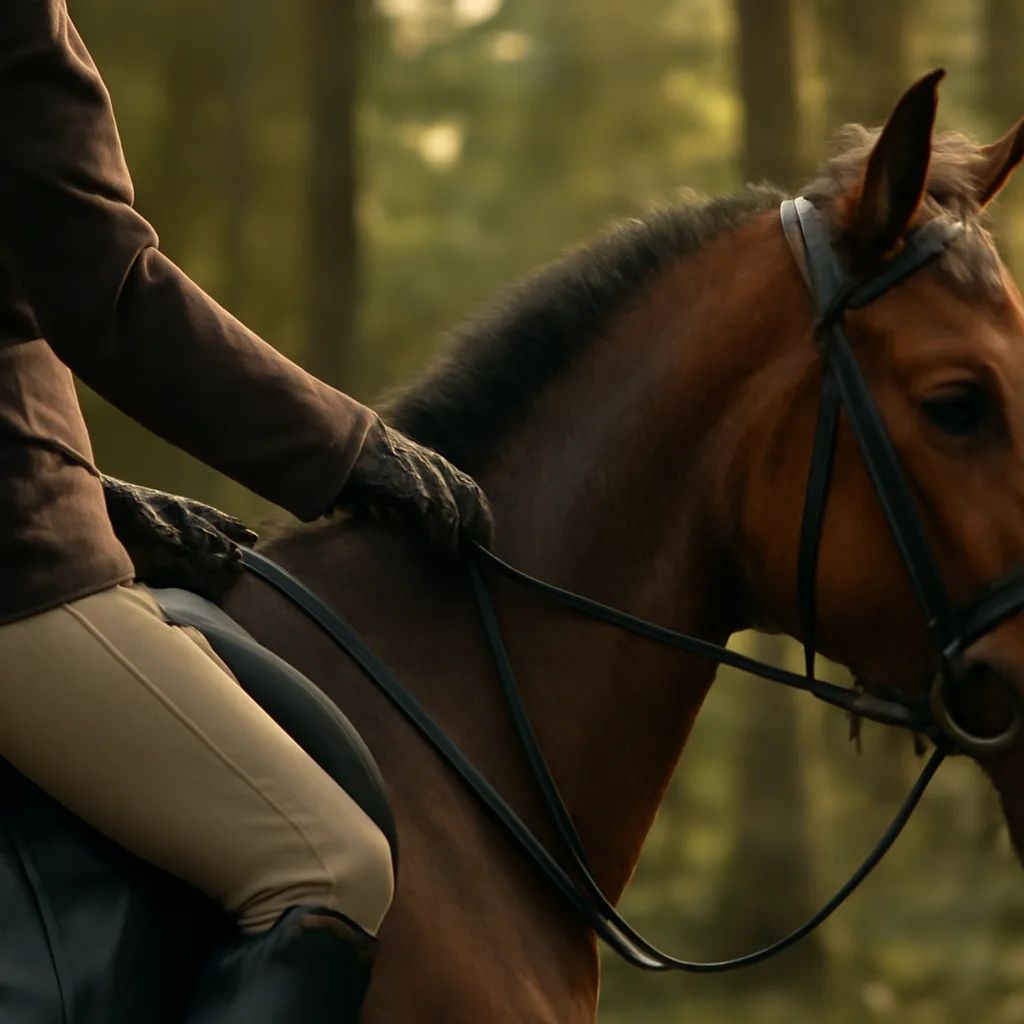
Planning Your Trail Ride Route
Before setting out, research the trail to understand its length, difficulty, terrain, and any regulations or restrictions. Choose a path that matches your and your horse’s experience and fitness level. Consider local weather conditions and potential water sources along the route to stay hydrated. Mapping your route and informing someone about your plans adds a layer of safety.
- Check trail length and terrain
- Verify trail difficulty and regulations
- Plan for water and rest stops
- Inform a trusted person of your route and schedule
Preparing Your Horse
Ensure your horse is physically conditioned for the ride’s anticipated length and terrain. Check your horse’s health status, including soundness and any signs of lameness or illness. Regular grooming before the ride prevents discomfort from dirt or debris under tack. Hoof care is crucial; clean hooves and consider protective shoes or boots for rocky or rough trails.
- Confirm horse’s fitness level
- Perform health and soundness checks
- Groom thoroughly before riding
- Clean and protect hooves appropriately
Essential Riding Gear
Choose appropriate attire for both rider and horse focused on safety and comfort. Wear a properly fitted helmet and durable riding boots with heels. Layer clothing for weather conditions and bring waterproof gear when necessary. For your horse, fitted tack—including a well-chosen saddle and bridle—is vital. Carry a compact first aid kit for both horse and rider to manage minor injuries.
- Helmet and riding boots with heels
- Weather-appropriate clothing layers
- Well-fitted saddle and bridle
- Compact first aid kit
Packing for the Ride
Bring enough water for you and your horse, plus high-energy snacks. Consider packing basic tools for minor equipment repairs like spare reins or a multi-tool. A map or GPS device helps with navigation. Carry identification for yourself and your horse in case of emergencies. Reflective gear or lights can be essential if you expect to ride in low light conditions.
- Water and nutritional snacks
- Simple tack repair tools
- Navigation aids (map/GPS)
- Identification for rider and horse
- Reflective gear or lighting for visibility
Safety and Etiquette on the Trail
Ride with awareness of trail rules and other users such as hikers or cyclists. Maintain control of your horse and give right of way courteously. Avoid startling wildlife by keeping noise minimal. Monitor your horse for signs of fatigue or distress, allowing breaks as needed. Carry a communication device to seek help if an emergency arises.
- Adhere to trail rules and etiquette
- Keep your horse under control
- Minimize noise to avoid wildlife disturbance
- Observe your horse’s condition
- Carry a communication device
Discover more
Daily Grooming Tips for a Healthy Horse
Discover essential daily grooming routines that enhance your horse's health, comfort, and overall well-being.
Introduction to Dressage: Basics and Benefits
Explore the fundamentals of dressage and discover how this equestrian discipline enhances horse training and rider skills.
Understanding Equine Nutrition
Explore essential nutritional needs of horses and how to create balanced feeding plans for their health and performance.
Selecting the Right Saddle for Your Horse
A practical guide to choosing saddles that ensure comfort and safety for both horse and rider.
Training Young Horses: Best Practices
Explore effective strategies and essential tips for training young horses safely and confidently from the ground up.
Top Safety Gear Every Rider Needs
Essential safety equipment to protect equestrians during all riding activities, ensuring confidence and injury prevention.